
Faced with climate change and intensive exploitation of the timber industry, our forests seem to be suffering and becoming less and less resilient. Rewilding, through a combination of actions that include the creation of areas of quietude that are left to evolve freely, allows them to regenerate naturally.
⏱️10 minutes
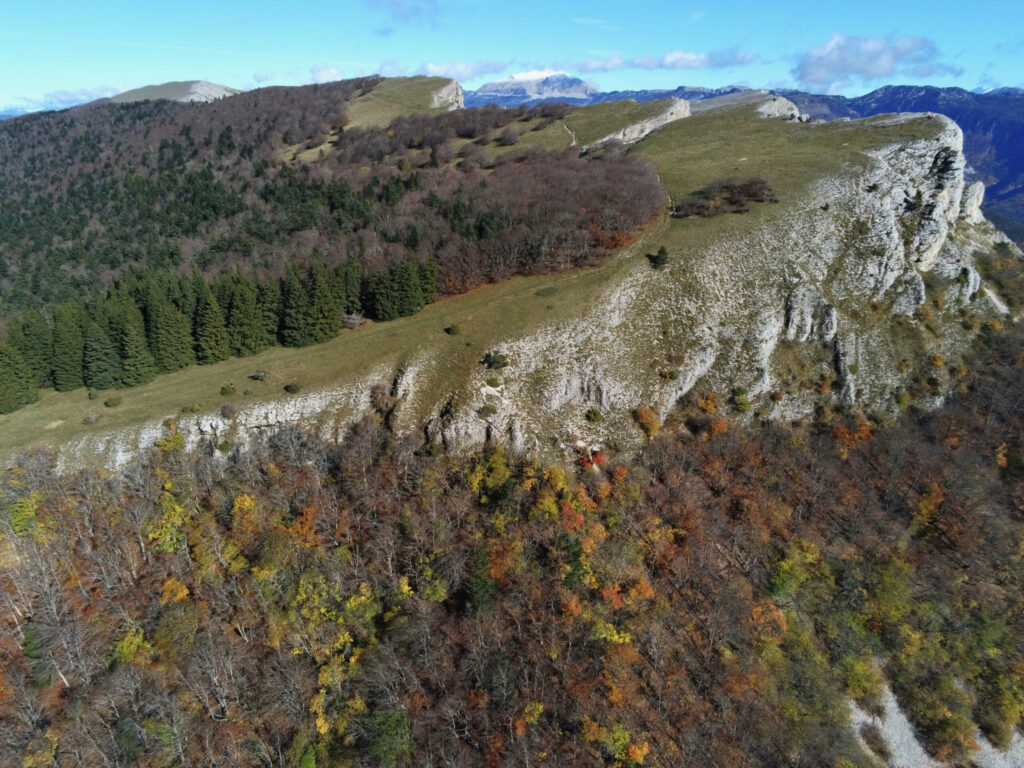
The Red List of forest ecosystems in France
The IUCN is known for its Red List of endangered species. Since 2014, there has been a similar list for endangered ecosystems. The IUCN has even gone a step further by publishing, in 2025, an inventory of our mountain forests in France.
The result: almost all of the 19 mountain forest ecosystems are ‘endangered’ (EN or VU) or ‘near threatened’ (NT).
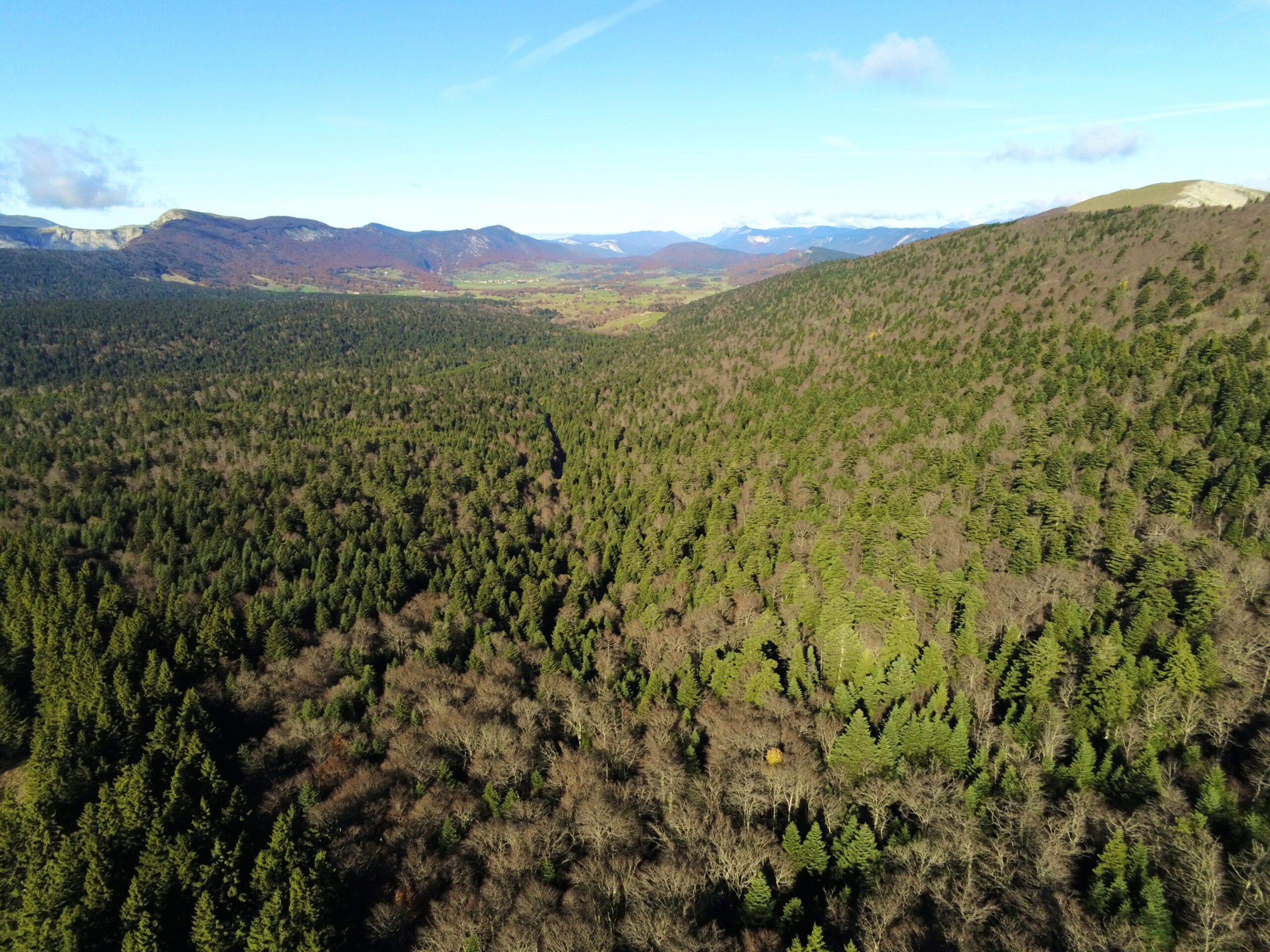
The subalpine beech and fir forests, which are common in the Dauphiné Alps, are no exception to this observation: they are classified as ‘endangered’ (EN).
Three main risks identified
The IUCN has identified three main factors that are likely to worsen the condition of our subalpine forests in the future, namely:
- Climate change, leading to rising temperatures, droughts and the risk of mega-fires.
- Clear-cutting and single-species plantations, generally based on conifers, leading to soil drying or acidification and increasing the risk of large fires.
- Increased frequency of woodcutting, particularly as a result of the development of the wood energy sector, preventing proper forest regeneration and gradually reducing the available standing volume and, consequently, habitats for biodiversity.
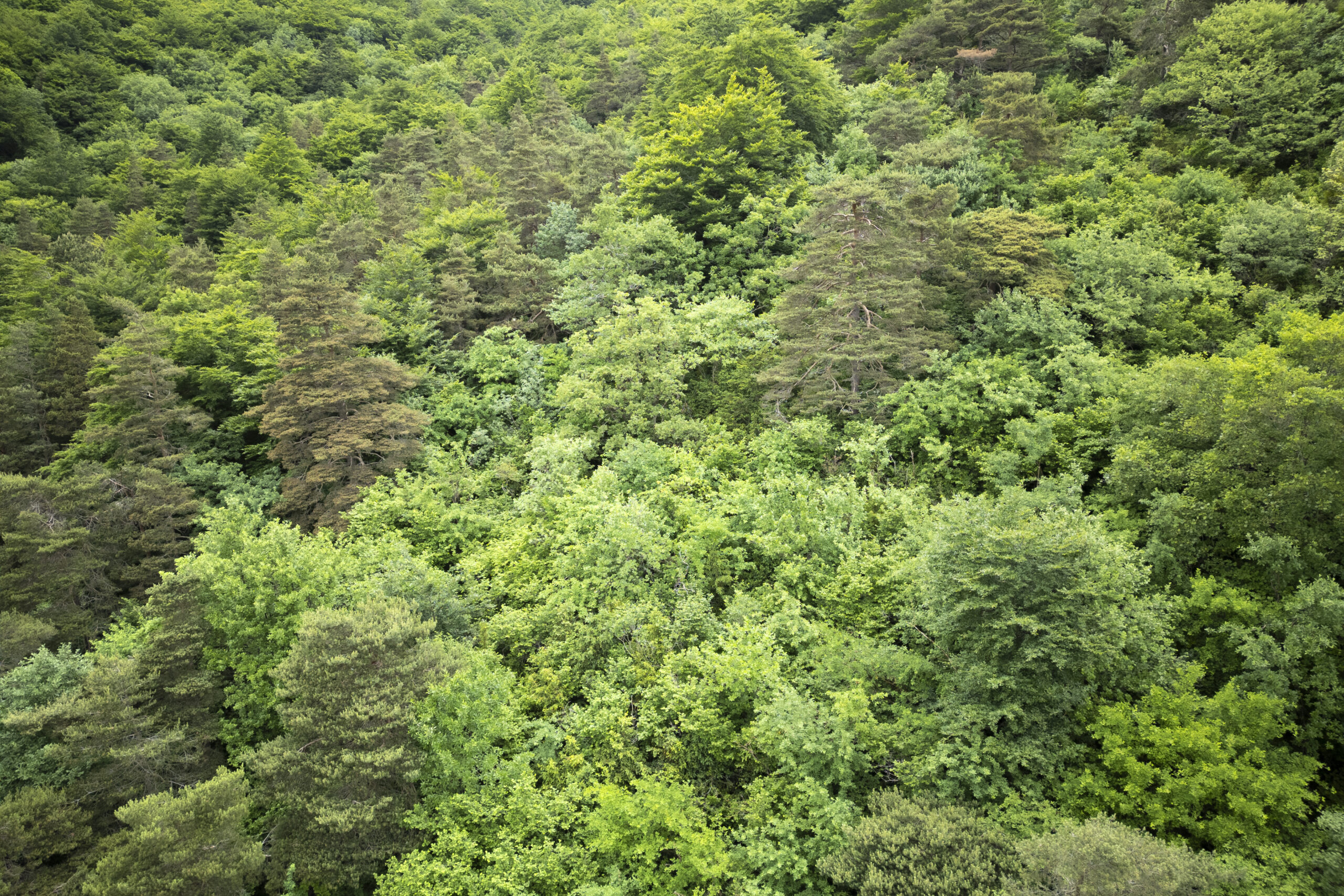
So what can be done?
There are already alternatives to the ‘traditional’ way of managing our forests, and many stakeholders are taking action to influence practices in order to mitigate these risks. At Rewilding France, we are implementing a sustainable forest management model that preserves biodiversity, regenerates forests naturally and, ultimately, helps these forests cope with climate change, thereby ensuring that ecosystem services (water filtration, timber supply, recreation, etc.) will still exist in 30, 50, 99 years’ time, provided that best forestry practices are implemented.
We use tools such as OREs (environmental easement contracts) to guarantee the natural regeneration of forests.
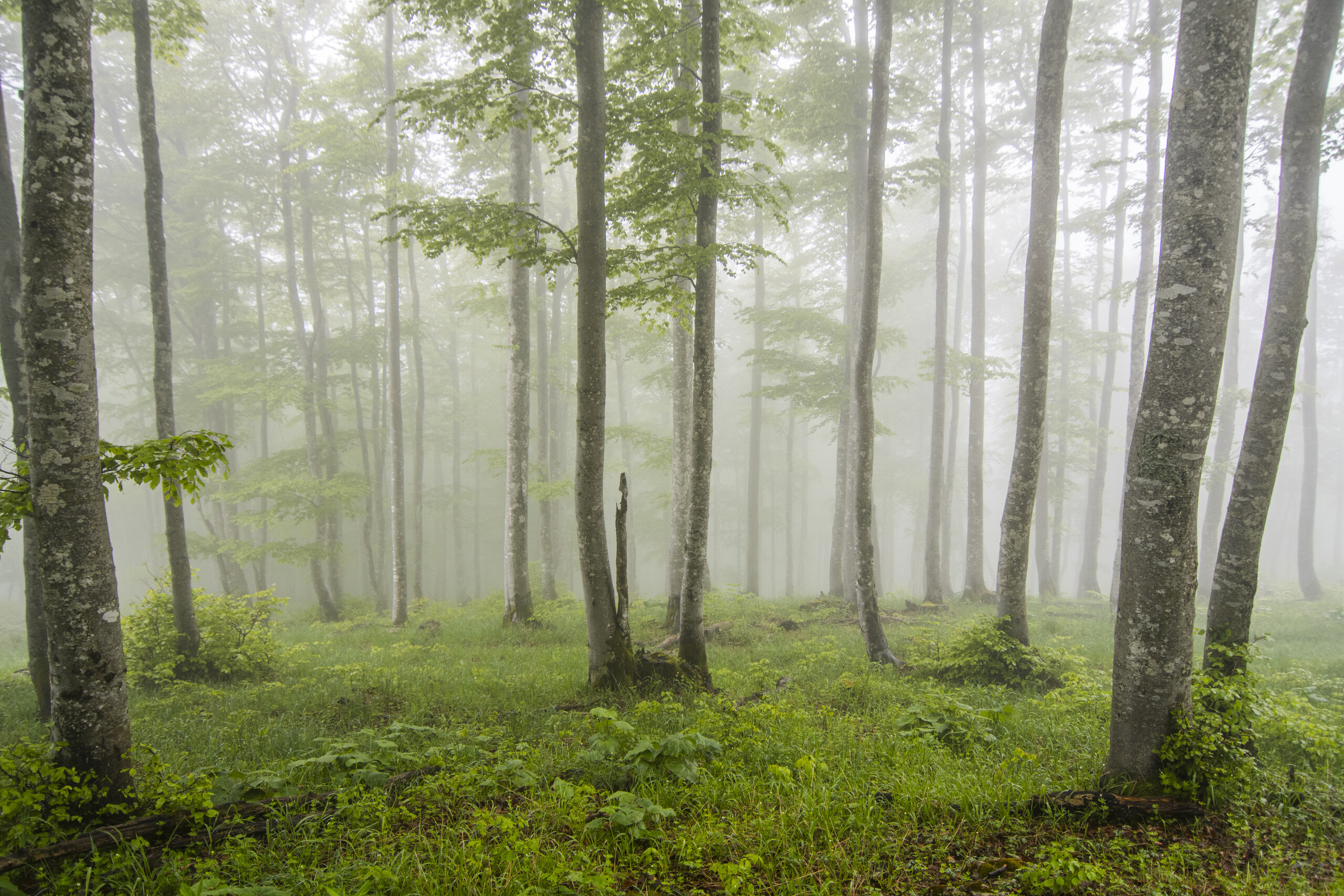
This tool has been implemented at an initial pilot site in the Vercors region, where it establishes the creation of three complementary zones over the next 60 years:
- A large quiet zone that protects flora and fauna from human intervention, particularly woodcutting and hunting.
- A gentle forestry zone, combining forestry operations with biodiversity preservation by conserving a network of old wood, maintaining tall stumps, preserving all dead trees standing and on the ground, and ensuring the maintenance of a high density of living habitat trees.
- Islands of senescence distributed within the gentle forestry zone to provide biodiversity sinks and promote ecological connectivity.
Landowners, elected officials and the ONF support these initiatives and are thus part of a public interest approach aimed at ensuring that we can all continue to benefit from the services provided by our forests in the future.
Editor: Aurélien Giraud
Rewilding France
