Why the Dauphiné Alps?

Luca Melcarne

Why the Dauphiné Alps?

An area with a high rewilding potential

Like other regions in France and Europe, the Dauphiné Alps have experienced rural depopulation since the 19th century. This has led to a gradual decline in agriculture, the reclaiming of land by forests, and the return of many species of flora and fauna.

This development now represents a unique opportunity to revitalize the area through an inclusive rewilding approach. This approach addresses ecological and climate challenges while promoting socio-economic innovation that benefits local inhabitants.

This opportunity arose from a consultation process launched in 2022. A steering committee composed of several local authorities worked with Rewilding France and Rewilding Europe to identify the region’s expectations in terms of nature. This committee met more than 80 stakeholders in 2023 and 2024.

It emerged that the Dauphiné Alps have been following an exemplary rewilding path over the last 70 years. Continuing this positive momentum responds to a clear need: to experiment with and diversify models for the management, use, and enhancement of rural areas in a context of climate change and broader societal shifts.

Restoring natural processes by giving more space and freedom to a wilder nature will strengthen and diversify the ecological value of the territory. This will promote richer biodiversity and greater resilience to droughts, heat waves, and floods.

This ecological renewal also paves the way for sustainable land use and the emergence of new economic opportunities for residents invested in the future of their territory. Collaboration with the inhabitants is an essential pillar of the rewilding approach.
 

A territory that began its rewilding journey 70 years ago

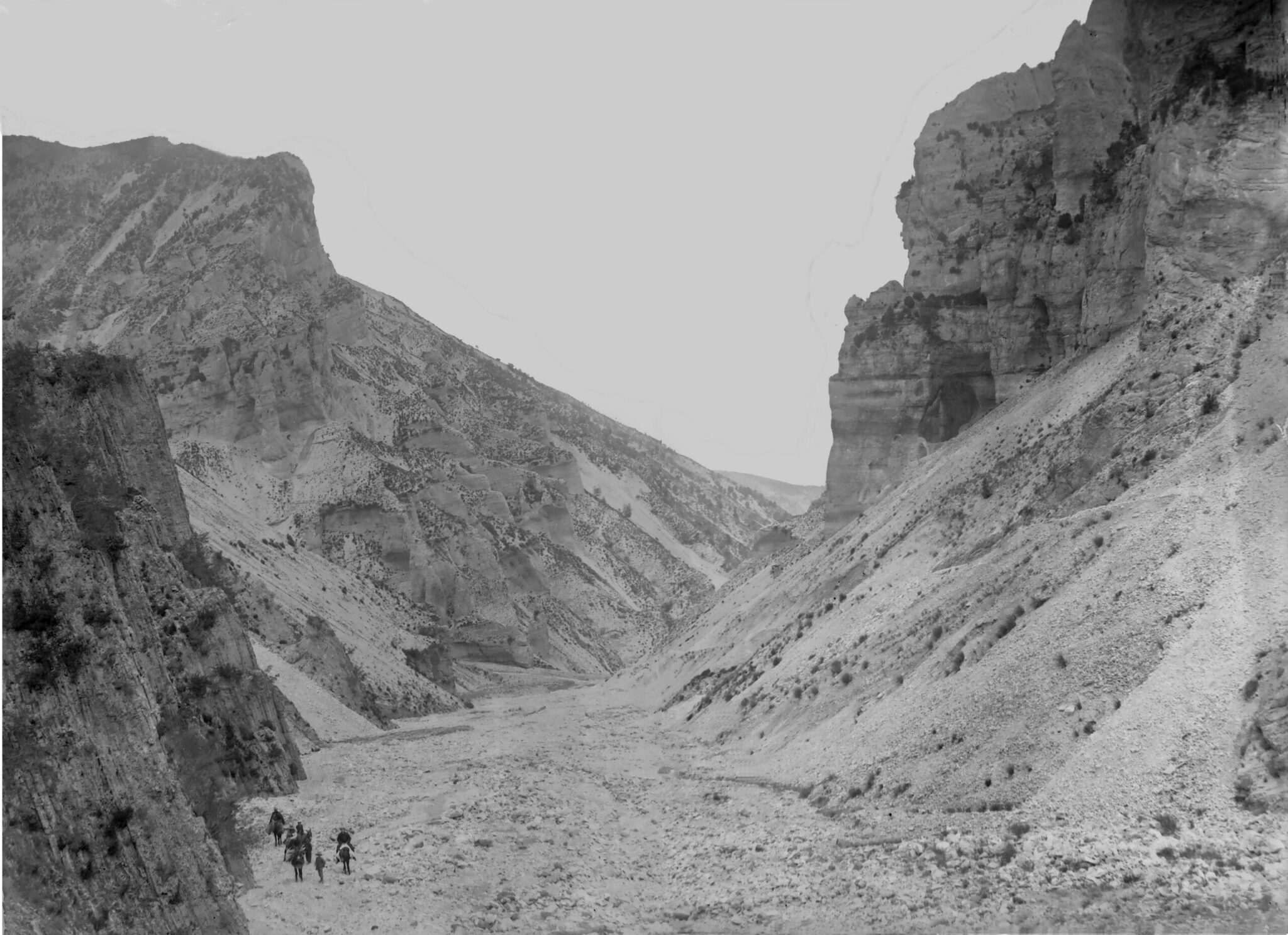
Photo d'archive

By the end of the 19th century, overexploitation of forests had severely damaged the soil in the Dauphiné Alps, leaving only barren, bare land at the mercy of erosion and landslides.

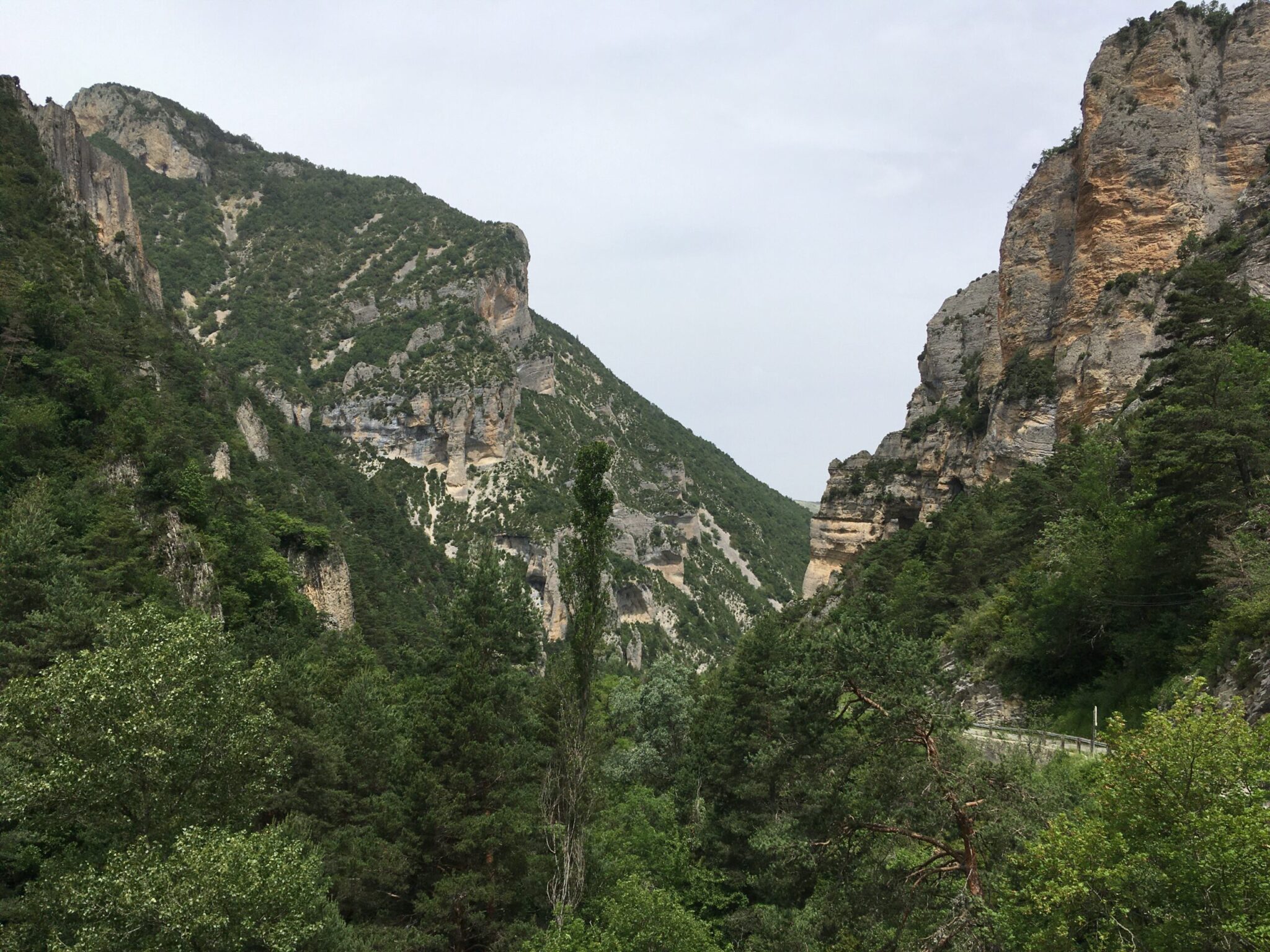
Gilles Rayé

The rapid urbanization of France in the first half of the 20th century paradoxically allowed nature to make an impressive comeback. Most French forests naturally regenerated following this rural depopulation.

Nelleke de Weerd / Rewilding Europe

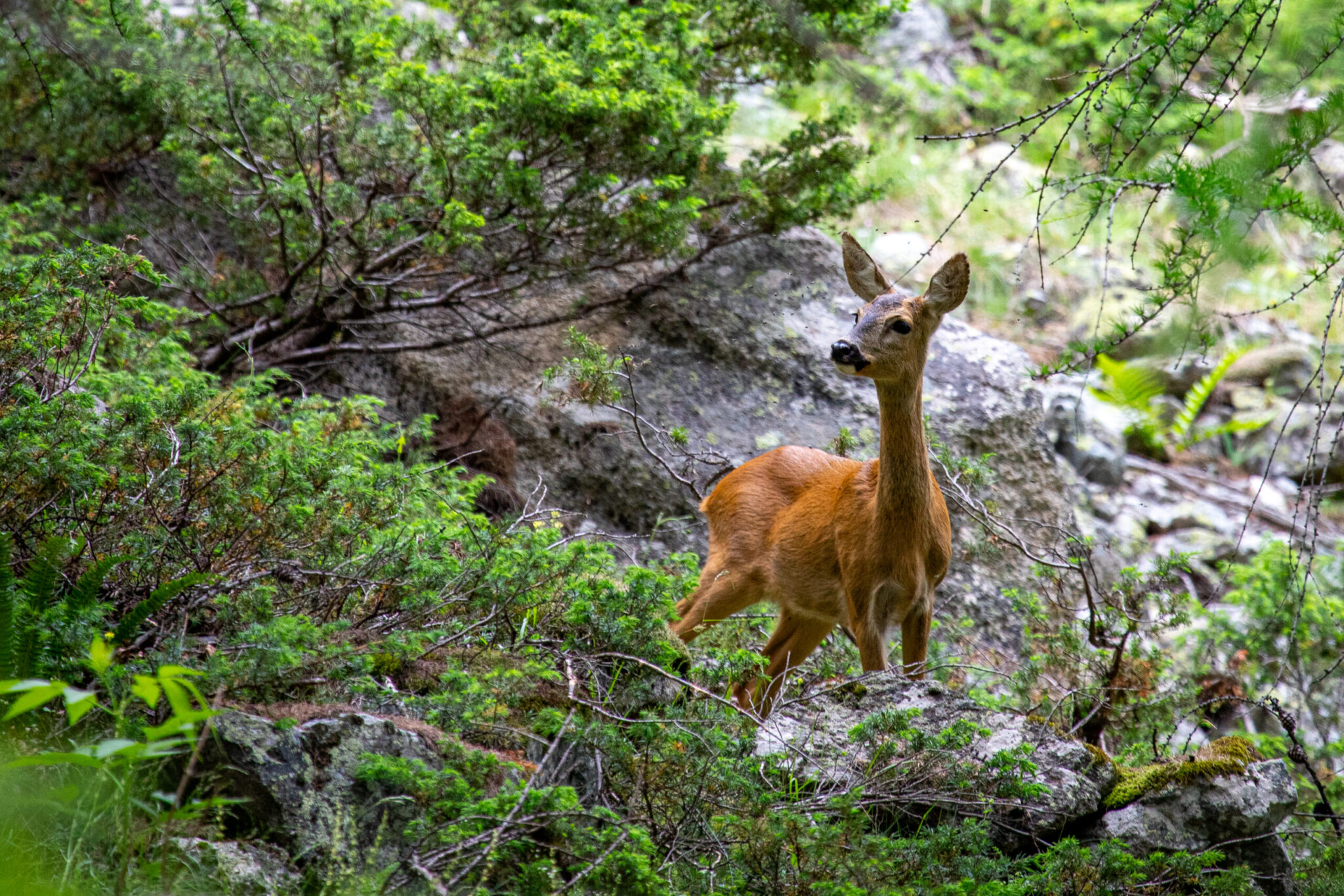
The return of the forests provided a favorable habitat for wildlife. All that was needed was a little help to bring back the first herbivores. This help came from hunters, who reintroduced deers and roe deers in the 1960s.

Nelleke de Weerd / Rewilding Europe

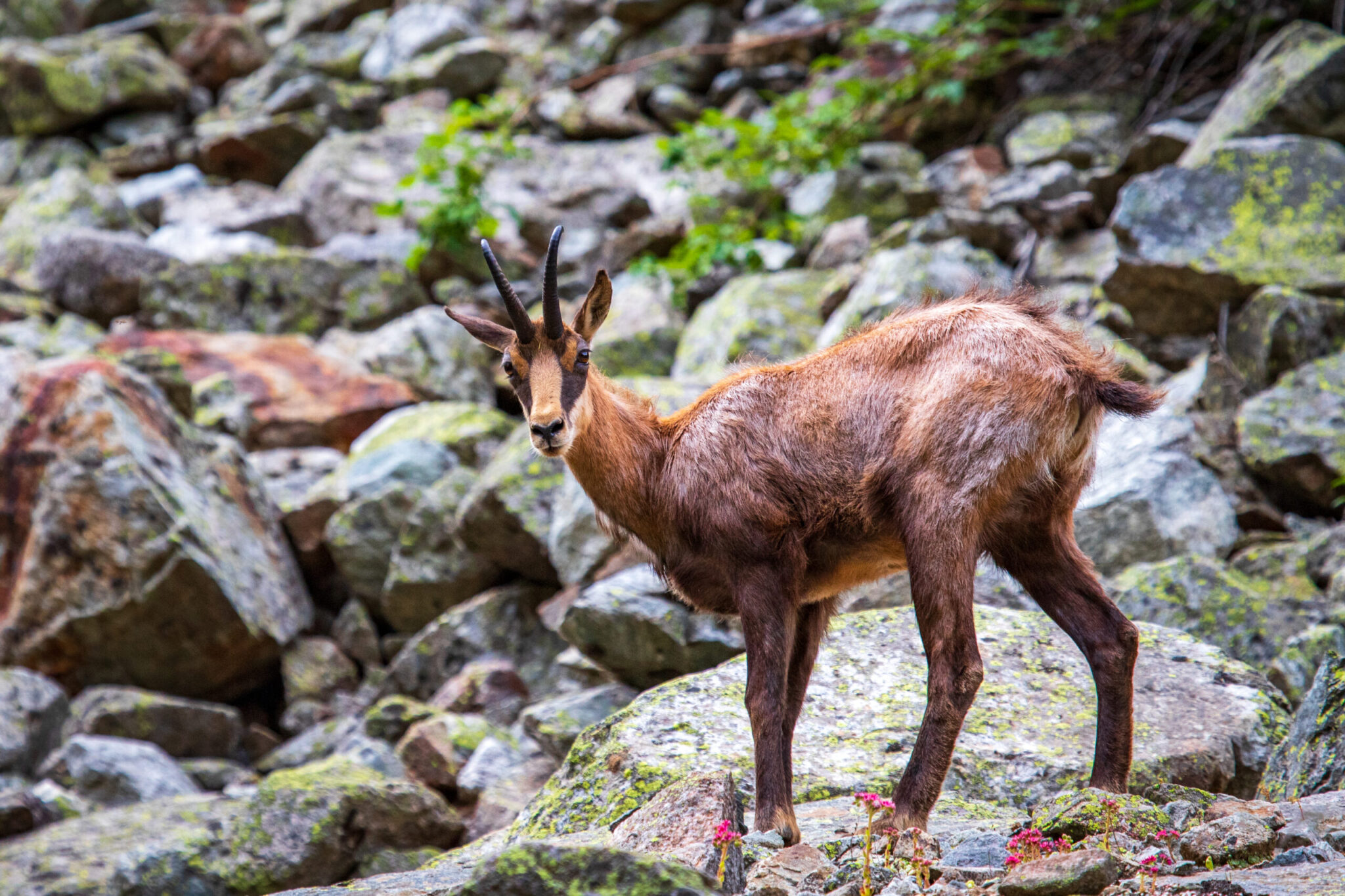
Other herbivores have also benefited from similar reintroduction or repopulation programs. This was the case with the chamois.

James Shooter/Rewilding Europe

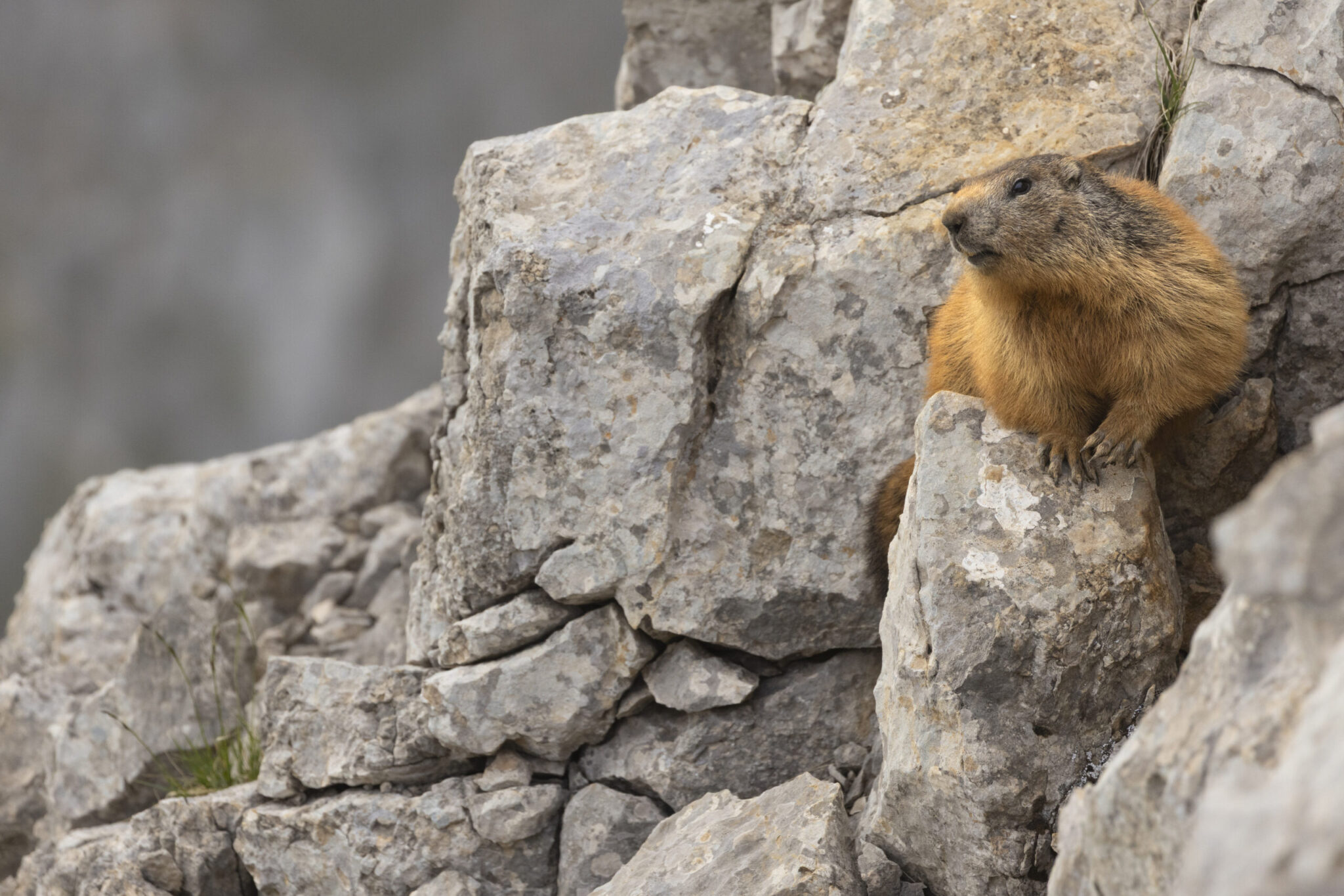
In the 1980s, it was the turn of the marmots to be reintroduced, which helped to boost the golden eagle’s population in the region.

Nicolas Marty

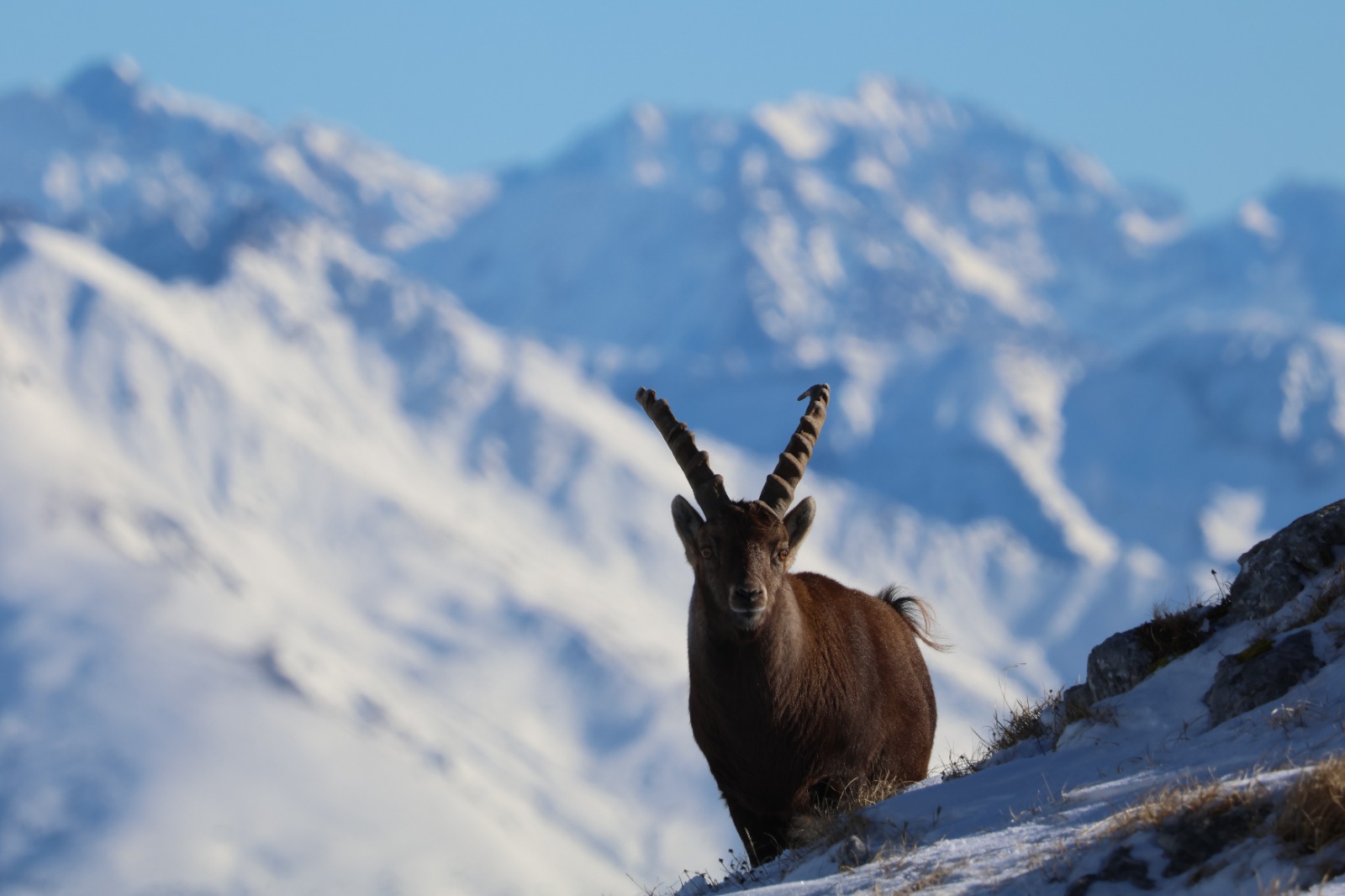
Alpine ibex were also reintroduced to the Vercors in the 1990s, ten and twenty years after similar reintroduction programs in the Écrins and in the Mercantour.

Luca Melcarne

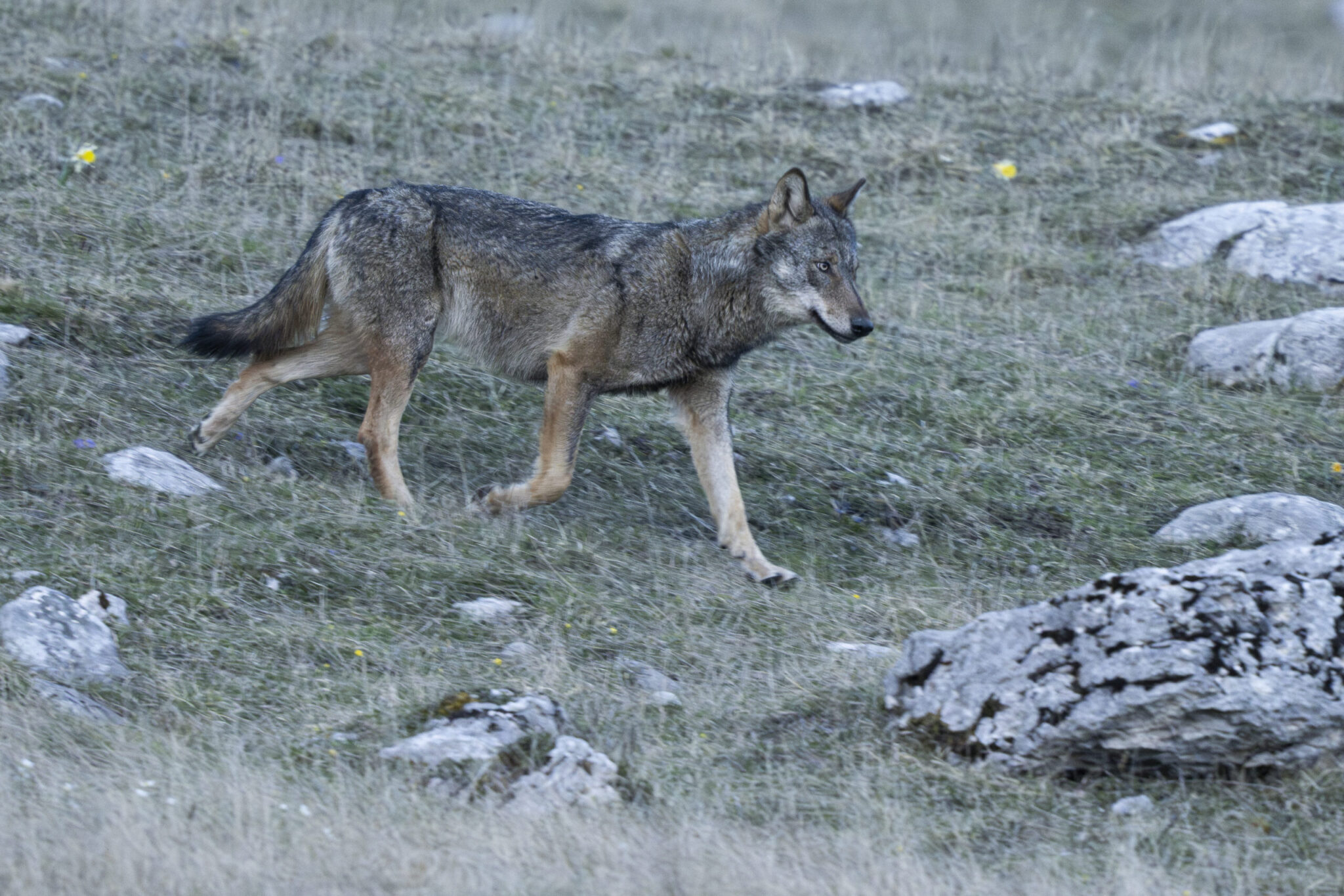
As herbivore populations reached suitable levels, the territory allowed predators to return… naturally. Arrived from Italy via the Mercantour in 1992, the gray wolf then spread to the Dauphiné Alps a few years later.

Emmanuel Rondeau

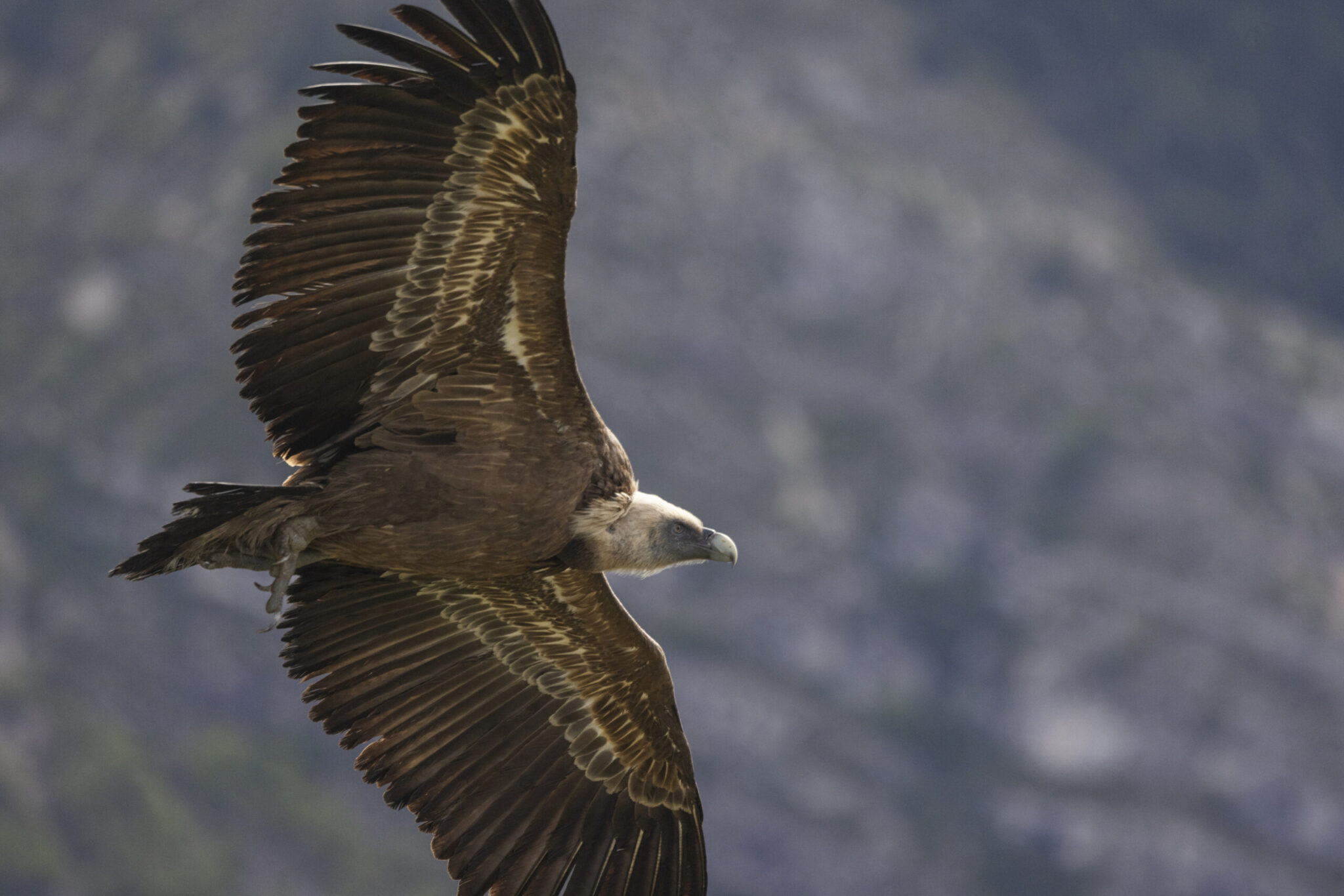
Only one link in the food chain was missing: scavenging. The reintroduction of griffon vultures in the 1990s restored this function by cleaning up carcasses before they polluted local rivers.

Staffan Widstrand / Rewilding Europe

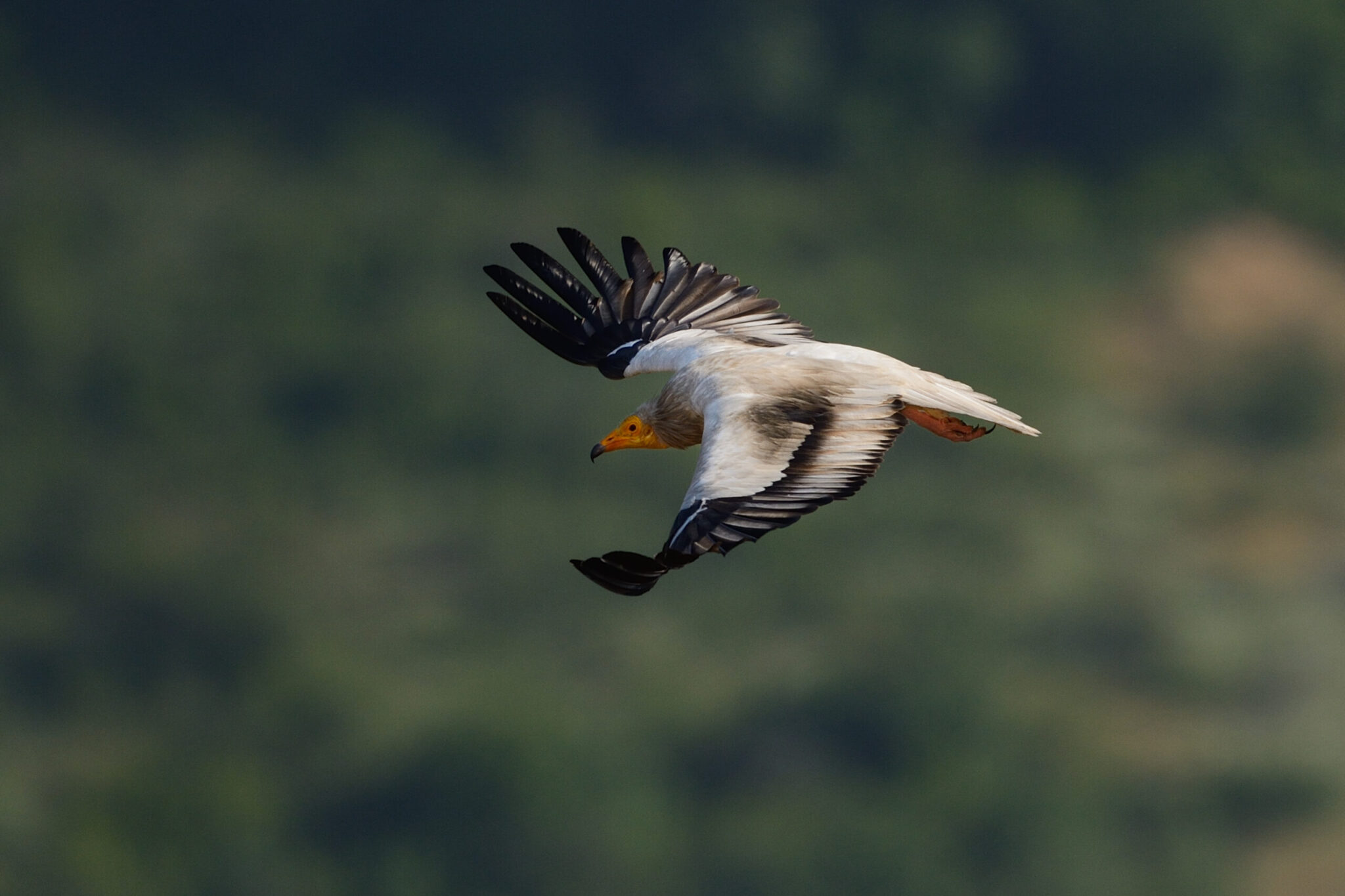
The Cinereous vultures were first reintroduced in 2004, while the Egyptian vultures came back to the Dauphiné Alps by themselves, because all the necessary conditions for their return were met.

Luca Melcarne

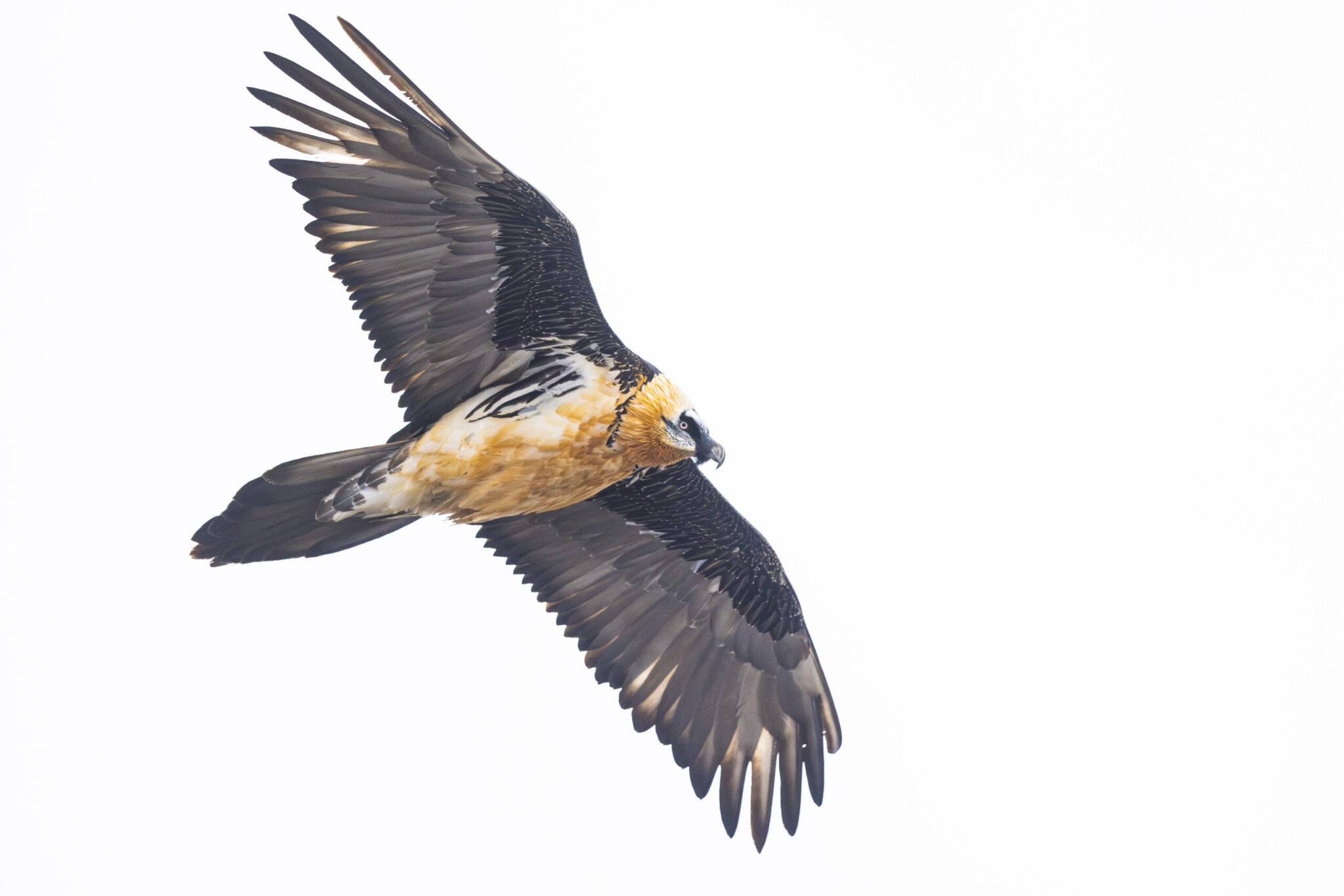
The reintroduction of the bearded vulture has restored the entire carcass scavenging function. When a dead animal is spotted, griffon vultures arrive first, their long necks allowing them to enter through natural orifices and areas of thin skin. The black vultures feed on the tougher parts: the skin, tendons, and ligaments. Then, the Egyptian vultures tear away the rotting flesh with their sharp beaks. Bearded vultures finish the cleanup when only the bones remain, which they are able to digest.

Our goal is to go even further

At Rewilding France, we want to continue the efforts that have been collectively undertaken by the regional stakeholders and we are convinced that we can turn the Dauphiné into a model for large-scale rewilding.

This territory will be able to showcase in a near future all the benefits of an inclusive rewilding approach:

  • Enhancing biodiversity with a wilder nature ;
  • Addressing the climate change perspective by making the environment more resilient ;
  • Providing health and opportunities to the inhabitants.